The 139th Canton Fair is a premier event for global sourcing. Businesses seek the best materials, and Garment Lining Fabric stands out. This fabric is essential for enhancing garment quality, structure, and comfort. The fair offers a chance to explore innovations in textiles and related fields.
With a focus on textiles, manufacturers showcase various lining options. Buyers can discover new designs and innovative materials. The introduction of AI navigation at the fair enhances the experience. It helps attendees efficiently locate suppliers that meet their certification needs.
While the opportunities are vast, not every supplier may meet expectations. Some fabrics may lack the durability or aesthetic appeal buyers seek. The evolving market requires continuous adjustment and reflection on quality standards. It is vital for buyers to thoroughly assess options before making commitments.
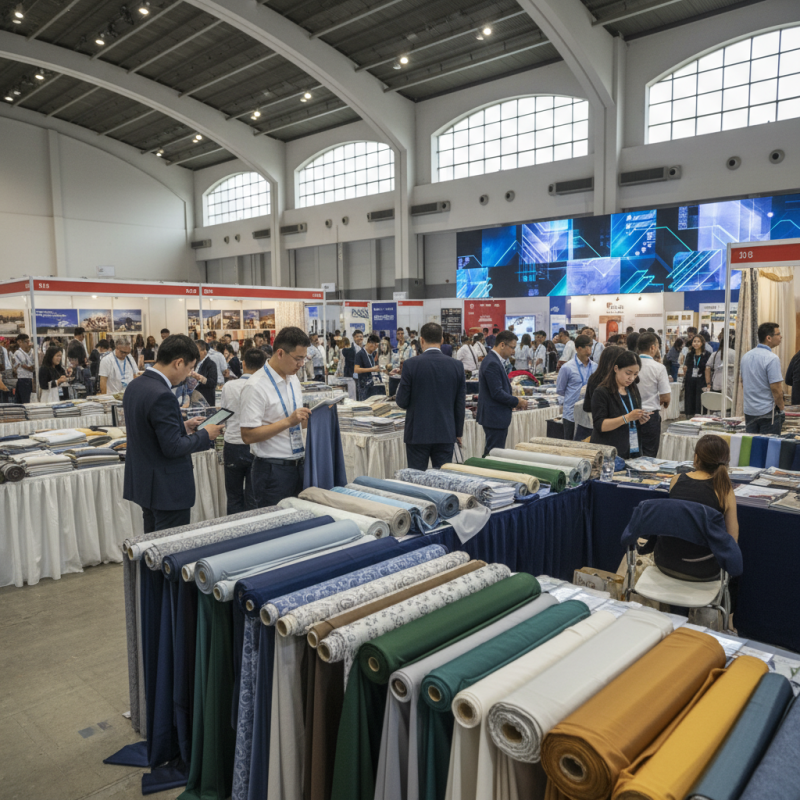
Garment lining fabric plays a crucial role in fashion design. It enhances the overall quality of clothing. The right lining provides structure and shape. Designers often choose lightweight materials for comfort. This choice ensures that garments drape well on the body.
Using quality lining fabric can prevent wear and tear. It acts as a protective barrier against the outer fabric. However, some designers neglect this aspect. They focus too much on the exterior. This oversight can lead to disappointment. Fashion needs both beauty and durability.
Another benefit of lining is its ability to add style. Different colors and patterns can create interest. A vibrant lining can surprise when garments are removed. Yet choosing the right lining is challenging. It must complement, not overpower, the main fabric. Designers often find these decisions daunting, highlighting the need for careful thought.
| Benefit | Description | Material Types |
|---|---|---|
| Comfort | Enhances comfort by providing a smooth layer between the skin and the outer fabric. | Silk, Polyester, Viscose |
| Durability | Increases the lifespan of garments by reducing wear on the outer fabric. | Cotton Blend, Nylon |
| Aesthetic Appeal | Adds visual interest and enhances the overall design of the garment. | Satin, Crepe |
| Lining Types | Different types of linings available for various fabric compositions and garment types. | Woven, Non-woven, Interlining |
| Versatility | Can be used in a variety of garments from casual to formal wear. | Various Fabrics like Taffeta, Muslin |
Garment lining fabric plays a crucial role in enhancing quality. It adds comfort, durability, and a polished finish to clothing. Good lining is soft and smooth against the skin. Fabrics like polyester or silk are often chosen for their lightweight nature.
Consider function when selecting lining fabric. It should complement the outer fabric in weight and texture. A mismatch can lead to discomfort. Many overlook this aspect. Choosing the wrong lining can affect the garment's overall appeal.
Tips: Always test a small fabric piece against your skin. Feel the texture. Make sure it offers comfort. Check if it breathes well to prevent overheating. A good lining should also help with movement. It shouldn’t restrict motion.
When exploring the 139th Canton Fair, garment lining fabrics stand out. These fabrics can enhance both comfort and aesthetics in clothing. Popular types include polyester, rayon, and silk lining. Polyester lining is widely used for its durability and affordability. It accounts for about 45% of the total lining fabric market. Rayon, with its soft texture, comprises 30% of the market share. Silk lining appeals to high-end garment makers, representing 15% of the usage.
A report from the Fabric Insights Industry states that the global demand for garment linings is projected to grow by 4.5% annually. This growth highlights the increasing importance of quality lining. Many manufacturers at the Canton Fair showcase innovative blends that improve breathability and moisture-wicking. However, not all fabric samples meet high standards. Some exhibit inconsistencies in color or texture, raising buyer concerns.
Buyers should carefully consider their options. Trends indicate a rising interest in sustainable materials. Yet, many traditional linings still dominate the market. While newer fabrics boast eco-friendliness, some lack necessary certifications. This leaves consumers pondering the trade-offs between cost and sustainability. Overall, the Canton Fair offers a spectrum of opportunities, but not all are equally reliable.
The 139th Canton Fair serves as a critical hub for sourcing and networking within the garment industry. Attendees will encounter a diverse range of garment lining fabrics, essential for enhancing garment quality. This event connects manufacturers, suppliers, and buyers, fostering potential collaborations that can drive business growth.
Data suggests that the global textiles market is projected to reach $1 trillion by 2025. This indicates significant opportunities for businesses participating in the fair. Additionally, recent industry reports indicate that over 60% of garment manufacturers consider fabric quality key to product success. This underscores the importance of selecting the right lining fabrics.
Networking opportunities abound at the fair. Professionals can engage directly with fabric developers and industry experts. However, it's crucial to be prepared. Understanding specific market demands can lead to better choices and partnerships. With so many options available, it can be overwhelming. Reflecting on previous experiences and outcomes can help refine sourcing strategies for future endeavors.
Garment lining fabrics are evolving. At the 139th Canton Fair, innovations are on display. A recent report indicated that the global garment lining fabric market is expected to grow by 4.5% annually through 2026. Eco-friendly options are gaining traction. Sustainability is a key concern for consumers today.
Biodegradable materials are becoming more prominent. Natural fibers like cotton and hemp are popular choices. These materials not only reduce environmental impact but also enhance wearer comfort. A survey noted that 70% of consumers prefer sustainable apparel. However, the challenge remains: sourcing these materials. The supply chain for eco-friendly fabrics often lacks transparency.
Advanced technologies are facilitating change. Some manufacturers are incorporating recycled materials into their products. This shift could address waste issues in the fashion industry. Yet, there's a gap in awareness. Many consumers still lack knowledge about these innovations. It is crucial for the industry to improve communication and education around these sustainable developments. Balancing innovation with accessibility remains a task for the future.
: It enhances comfort, durability, and gives a polished finish to clothing.
Polyester and silk are popular for their lightweight and soft texture.
Test a small piece against your skin to feel the texture and breathability.
The lining should complement the outer fabric in weight and texture to avoid discomfort.
It connects manufacturers, suppliers, and buyers, fostering collaborations in the garment industry.
The market is expected to grow annually, with a focus on eco-friendly materials gaining traction.
Biodegradable materials like cotton and hemp reduce environmental impact while enhancing comfort.
The supply chain lacks transparency, making it difficult to source eco-friendly materials.
Technologies help incorporate recycled materials, addressing waste issues in the fashion industry.
There is a need for better communication and education about sustainable developments.
The 139th Canton Fair serves as an essential platform for exploring the benefits of Garment Lining Fabric in fashion design. Utilizing high-quality garment lining not only enhances the overall aesthetics of clothing but also contributes to durability and comfort. Key features such as breathability, weight, and drape ensure that designers can create pieces that are both stylish and functional.
Moreover, the fair showcases popular types of Garment Lining Fabrics that meet industry standards, along with innovative and eco-friendly options that cater to modern sustainability demands. Attendees have invaluable opportunities for sourcing and networking, connecting with suppliers and industry peers, which can facilitate new collaborations and ideas. With trends continuously evolving, the Canton Fair highlights the significance of staying updated on the latest innovations in garment lining fabrics.

Harbor Textiles