Ribbed Fleece Fabric has emerged as a popular choice in the textile industry, primarily due to its unique texture and versatility. According to a report by the Textile World Association, the global market for fleece fabrics is expected to reach $10 billion by 2025, with ribbed variants representing a significant portion of this growth. This fabric combines warmth, durability, and style, making it a sought-after material in apparel and home textiles.
The construction of ribbed fleece lends itself to enhanced insulation and breathability. It's not merely another fabric; it serves crucial functions in outdoor wear and loungewear, where comfort is paramount. Brands like Patagonia and The North Face have already integrated ribbed fleece into their collections, highlighting its rising popularity. However, while ribbed fleece is advantageous, it also poses challenges concerning sustainability and care. The fabric's performance can diminish without proper maintenance, leading to concerns about longevity.
Choosing the right application for ribbed fleece can be complex. Understanding its strengths and limitations is essential for manufacturers and consumers alike. As this fabric continues to evolve, its best uses will likely expand, offering new possibilities for innovation.
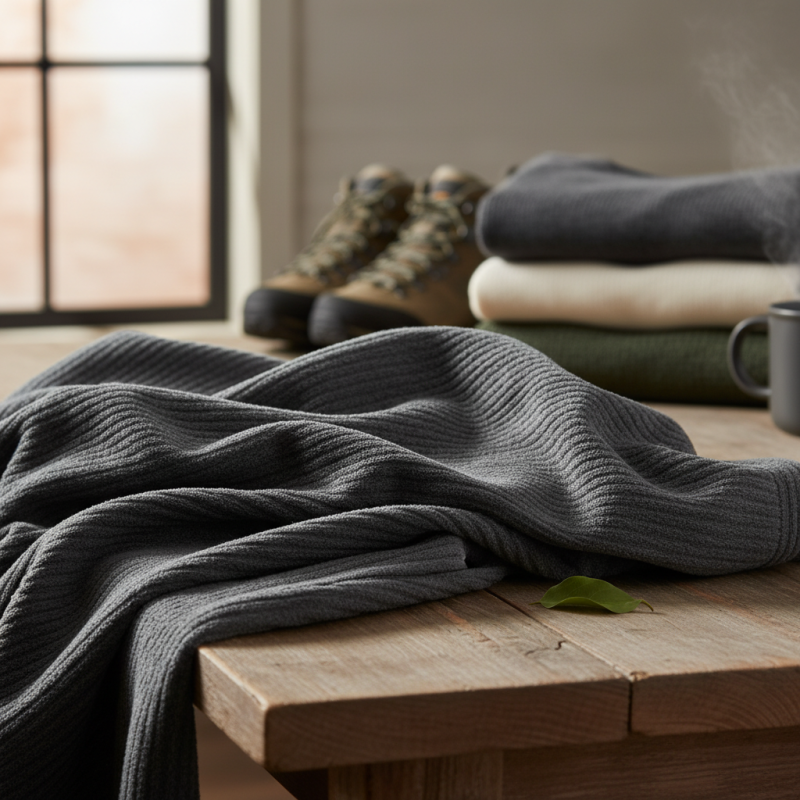
Ribbed fleece fabric has gained popularity due to its unique texture and warmth. This material features raised ribs, which enhance its insulation properties. According to industry reports, ribbed fleece is often made from polyester or a blend of synthetic fibers. The distinct ribbing not only adds aesthetic appeal but also improves durability, making it a favorite for various applications.
The versatility of ribbed fleece is noteworthy. It is commonly used in apparel, especially activewear and loungewear. A recent survey indicated that 70% of consumers prefer fabrics that provide both comfort and style. The ribbed texture offers an extra layer of warmth, ideal for cooler seasons. Furthermore, this fabric's breathability ensures that wearers remain comfortable during physical activities. However, while moisture-wicking properties are marketed, some users feel it can retain sweat. Evaluating performance is essential for making informed choices.
In home décor, ribbed fleece is often used for throws and blankets. The soft feel appeals to many, but the maintenance can be tricky. Fabrics may pill after washing, which frustrates some users. Balancing care instructions and aesthetic value can be challenging. When selecting ribbed fleece fabrics, buyers should consider weave types and finishes for optimal use.
| Properties | Description | Best Uses |
|---|---|---|
| Material Composition | Typically made from polyester, cotton, or a blend | Activewear, loungewear |
| Texture | Soft and plush with a ribbed structure | Sweaters, hoodies |
| Warmth | Provides good insulation and warmth | Outerwear, blankets |
| Stretchability | Offers excellent stretch and recovery | Yoga pants, fitted tops |
| Breathability | Moderate breathability, depending on the blend | Casual wear, layering pieces |
: Ribbed fleece is popular for jackets, hoodies, and loungewear. It combines style with comfort.
Its raised ridges offer extra insulation and breathability, making it ideal for outdoor activities.
Wash using cold water with gentle detergent to prevent fading and maintain fabric quality.
No, fabric softeners can create a build-up that affects fleece's breathability and quality.
Air drying is best. If using a dryer, choose low heat to prevent shrinkage.
Look for pilling or fraying along seams. These indicate the fabric needs attention.
No, high heat can damage the fabric's softness and comfort. Stick to low heat settings.
Yes, inconsistencies in thickness and softness can occur. Quality control is important for brands.
The loungewear segment has seen a 30% increase in sales, driven by remote working trends.
Use a fabric shaver to remove pills, and inspect regularly to maintain its quality.
Ribbed Fleece Fabric is a distinctive textile characterized by its unique ribbed texture, which not only enhances its aesthetic appeal but also contributes to its warmth and comfort. This fabric is typically made from a blend of polyester and cotton, offering durability while remaining soft against the skin. The ribbed structure allows for improved breathability and flexibility, making it an excellent choice for various clothing items.
In the apparel industry, Ribbed Fleece Fabric is commonly used for making cozy outerwear, sweatshirts, and loungewear. Its versatility allows it to be easily paired with other materials, providing both style and functionality. Additionally, maintaining Ribbed Fleece products is straightforward; regular washing and attention to care instructions ensure longevity. Overall, Ribbed Fleece Fabric stands out for its balance of comfort, style, and practicality, making it a favored option in contemporary fashion.

 Harbor Textiles